
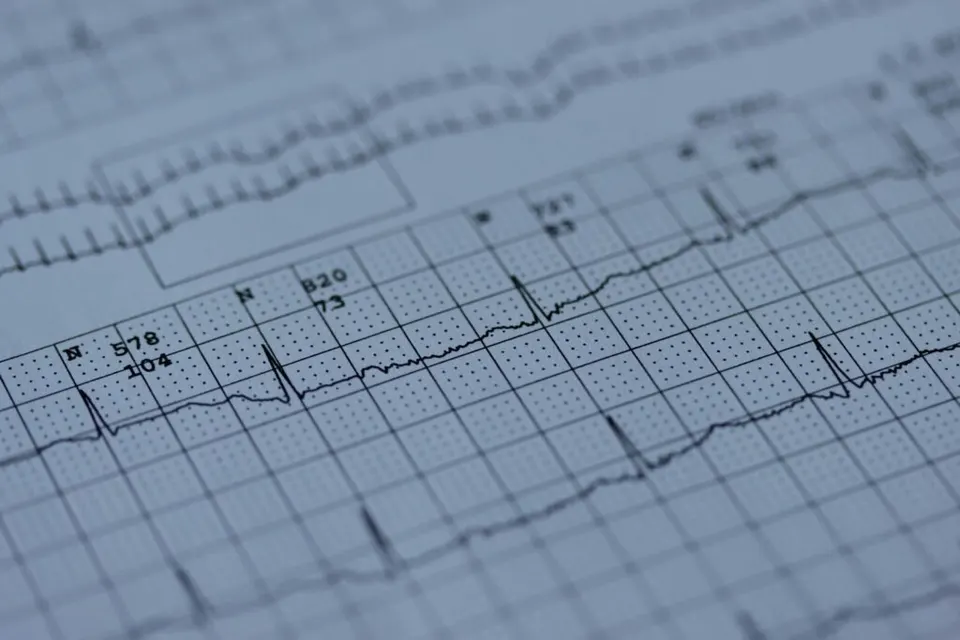
Performing electrocardiograms (ECG) helps detect heart rhythm abnormalities and other cardiac problems.
ECGs are carried out with modern equipment in a comfortable setting.
When is it useful?
Your doctor may suggest an electrocardiogram during a consultation: palpitations, shortness of breath, feeling faint or non-urgent chest pain, a health check, before returning to sport, or to monitor certain treatments and chronic conditions. The decision is made after a clinical examination.
How does it work?
An ECG is quick and painless. While you lie down, electrodes are placed on your chest, wrists and ankles, and the electrical activity of your heart is recorded for a few minutes. The doctor then reviews the tracing with you.
Good to know
If you have them, bring previous ECGs and a list of your medications.
Severe chest pain, fainting or difficulty breathing: call 112 immediately.